Opening As LEDs become embedded across consumer electronics, vehicles, and industrial systems, color is no longer a purely aesthetic choice. A common misconception is that standard white or RGB LEDs are sufficient for most applications. This article explains why customizable LED spectrum design—covering wavelength, brightness, and bin consistency—has become a critical engineering consideration rather than a cosmetic option.
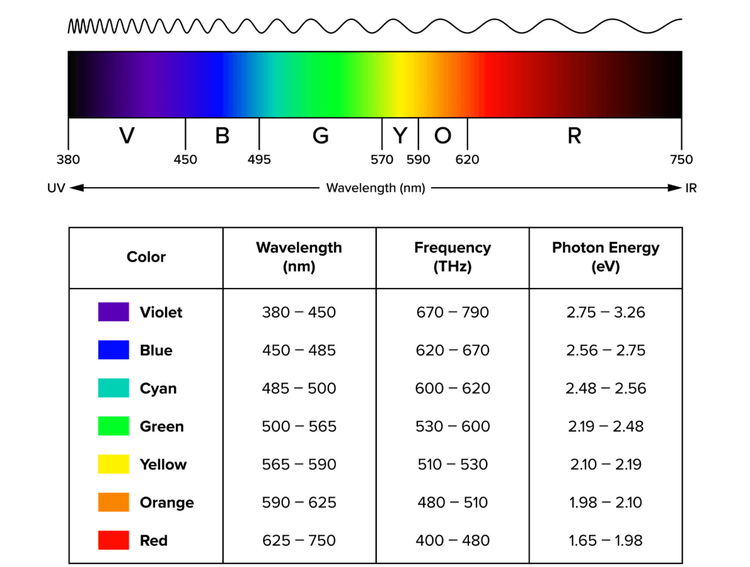
💡 What’s Changing Modern LED manufacturing allows stable emission across the full visible spectrum, from warm white and natural green to deep red and royal blue. Advances in chip architecture, phosphor formulation, and binning processes make it possible to tune wavelength ranges with high repeatability. As a result, LEDs can now be optimized for specific visual, functional, or signaling requirements instead of relying on generic color solutions.
👇 Why Old Assumptions No Longer Work Historically, designers selected LEDs based on nominal color labels, assuming visual uniformity would be “good enough.” In practice, uncontrolled wavelength spread and brightness variation lead to inconsistent appearance, misinterpretation of indicators, or reduced perceived quality. These issues become more pronounced in applications such as automotive lighting, appliance displays, and industrial status indicators, where color accuracy and consistency directly affect usability and compliance.
🚀 Implications for OEM / EMS / Procurement For OEM and EMS teams, custom LED spectrum capability affects both design validation and supply chain planning. Application-specific wavelength control improves product differentiation while reducing the need for optical compensation at the system level. Precise binning supports consistent assembly across production batches, lowering rework risk. From a procurement standpoint, access to customizable colors and package sizes simplifies platform reuse across multiple product families.
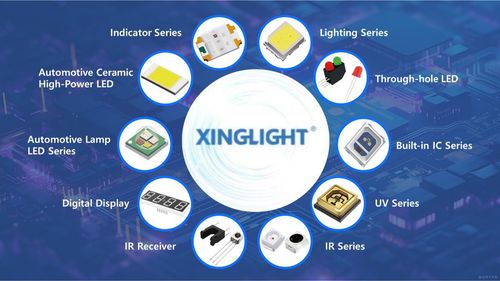
🔒 How Smart Teams Are Responding Engineering-driven organizations increasingly specify LEDs by target wavelength, brightness range, and color tolerance rather than generic part numbers. This approach supports diverse use cases—from home appliances and decorative light strips to automotive interiors and industrial indicators—while maintaining visual consistency and long-term reliability. Companies such as XINGLIGHT reflect this shift by aligning LED development with application-level color precision rather than one-size-fits-all solutions.
Closing Thought As LEDs continue to evolve, control over spectrum and color accuracy is becoming as important as efficiency and lifetime. Ongoing collaboration between design, engineering, and sourcing teams will be essential to ensure lighting solutions meet both functional and visual expectations over the full product lifecycle.
#LED Spectrum #Custom Wavelength #Color Accuracy #Automotive Lighting #Industrial Indicators