📊 Overview
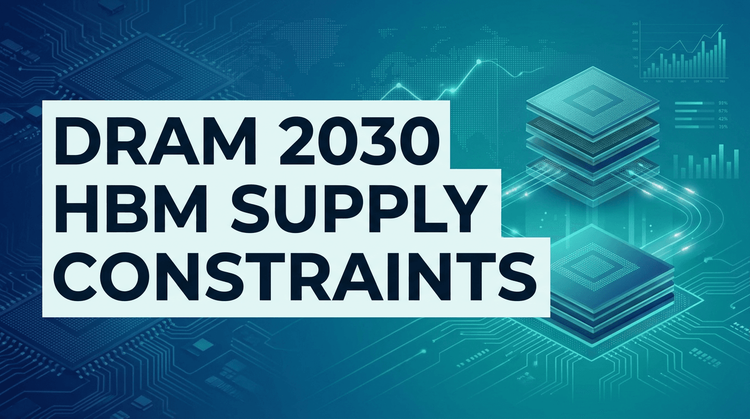
The semiconductor memory sector is currently undergoing a structural shift driven by the rapid acceleration of artificial intelligence (AI) and high-performance computing (HPC) workloads. According to recent guidance from SK Group Chairman Chey Tae-won at the Nvidia GTC conference, the current shortage in high-bandwidth memory (HBM) and general DRAM is not a cyclical blip but a sustained deficit that is projected to last until at least 2030.
📉 The primary bottleneck is no longer just design capability, but the physical limitations of global fab construction. Leading manufacturers like SK hynix and Samsung Electronics report that despite aggressive expansion plans, the lag time between breaking ground and achieving yield maturity creates a significant supply gap. Chairman Chey noted that wafer capacity shortages could exceed 20% in the coming years. For engineering and procurement teams, this signals a long-term market condition where securing allocation for AI-optimized memory will be a critical design constraint.
📈 Key Trends
The dominant trend shaping the memory landscape is the insatiable demand for High-Bandwidth Memory (HBM), specifically HBM3e and the upcoming HBM4 generations. As the AI model size grows, the memory bandwidth becomes the primary bottleneck in training and inference performance. SK hynix, holding a 57% market share in HBM, showcased its 6th-generation HBM4 at GTC, positioning it as a core component of future AI infrastructure rather than a passive commodity.
✨ Technical Dynamics:
- HBM Dominance: The shift from standard DDR to HBM for AI accelerators is consuming a disproportionate amount of advanced wafer capacity.
- Fab Constraints: New fabs require 4-5 years to come online fully. Challenges in securing stable power, water, and skilled construction labor—particularly in overseas markets like the US—slow down capacity ramp-ups.
- Corporate Strategy: Samsung and SK hynix are prioritizing long-term profitability over market share expansion. This "disciplined supply" approach means manufacturers will not flood the market to meet short-term demand, preventing the price collapses seen in previous cycles.
Additionally, the integration of liquid cooling solutions is becoming a standard requirement. SK hynix and Nvidia demonstrated liquid-cooled enterprise SSDs (eSSD) to handle the thermal density of modern AI servers. This introduces new complexity for mechanical engineering teams who must now design chassis capable of supporting these thermal solutions.
🎯 Market Analysis
For OEMs and EMS providers, the forecast until 2030 presents a complex risk environment. The market is bifurcating: standard DRAM used in consumer electronics may see moderate fluctuations, but AI-related memory (HBM, LPDDR5X, GDDR6) will experience severe allocation pressure.
🚀 Supply Chain Risks:
- Geographic & Resource Constraints: While US clients demand domestic production, SK Group highlighted that overseas expansion is hindered by infrastructure readiness (power/water) and labor shortages. This limits the speed of geographic diversification, keeping production concentrated in Korea for the near term.
- Price Volatility: With SK hynix’s CEO hinting at plans to "stabilize DRAM prices," procurement teams should budget for a higher baseline price point. The era of rock-bottom memory prices appears to be over, replaced by a floor price designed to ensure ROI on massive fab investments.
- Energy Dependency: Memory fabrication is energy-intensive. With geopolitical tensions in the Middle East driving up energy costs, manufacturers are actively seeking alternative energy sources. This operational cost will inevitably be factored into wafer pricing.
💡 Strategic sourcing must shift from Just-In-Time (JIT) to Just-In-Case (JIC). Engineers should validate BOMs for second-source availability where possible, though in the HBM space, dual sourcing is nearly impossible due to proprietary architecture differences. This makes the relationship with primary vendors a strategic asset.
💡 Recommendations
To navigate the extended shortage forecast, procurement and engineering leaders should implement the following strategies immediately:
- Secure Long-Term Agreements (LTAs): With capacity shortages predicted to exceed 20%, spot buying will become risky and expensive. Negotiating LTAs now, even at a premium, secures allocation for 2026-2030 product roadmaps.
- Design for Thermal Compatibility: As liquid cooling becomes standard for AI memory and storage (e.g., Nvidia’s DGX Spark platform), new product designs should accommodate cold plates and higher thermal density to avoid costly re-spins.
- Diversify Geography: While manufacturing is currently Korea-centric, SK hynix is evaluating US listing (ADRs) to raise capital for expansion. Monitor these developments, as increased capital expenditure (CAPEX) in the US or Europe may eventually alleviate regional supply chain risks.
- BOM Optimization: Audit current and future projects for memory density. Can software optimization reduce the requirement for the highest-tier HBM? Utilizing LPDDR5X in edge AI devices instead of full DRAM modules where applicable can free up supply chains.
🔒 Final Outlook: The memory market is entering a "super-cycle" driven by AI. The days of oversupply are gone for the remainder of the decade. Success will depend on early design engagement, securing capacity through strong vendor relationships, and accepting a higher cost structure for high-performance memory.