Key Takeaways
- Smartphone shipments projected to drop 13% in 2026 due to DRAM shortage, from 1.26 billion to 1.1 billion devices
- AI companies driving memory crisis: Insatiable demand for HBM in AI data centers is diverting production capacity from consumer devices
- Apple positioned to weather the storm: Premium positioning, higher margins, and strong supplier relationships provide competitive advantage
- Budget Android phones most vulnerable: Sub-$100 segment could become permanently uneconomical as memory prices surge 80-90%
- Permanent pricing shift expected: Memory prices unlikely to return to 2025 levels even after shortage resolves (mid-2027)
- Consolidation accelerating: Smaller brands may exit market while Apple and Samsung expand market share
The AI-Fueled Memory Crisis
The global memory market is experiencing what IDC Senior Research Director Nabila Popal calls a tsunami-like shock. The cause? Artificial intelligence.
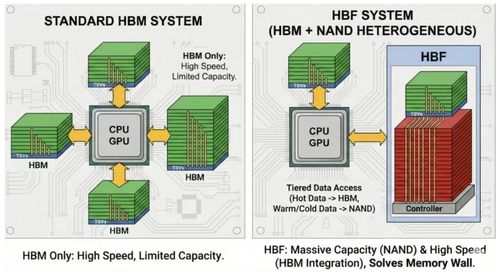
AI companies are buying enormous quantities of High Bandwidth Memory (HBM) for their data center infrastructure. These AI chips deliver high margins for manufacturers, creating a powerful economic incentive to shift production capacity away from consumer-grade DRAM used in smartphones, laptops, and other devices.
The result: Global memory supply has been drained into next year, putting smartphone manufacturers in an unprecedented predicament. Prices have spiked 80-90% quarter-over-quarter, creating a crisis like no other in the industry.
Impact on Smartphone Market
IDC forecasts smartphone shipments to plummet from 1.26 billion in 2025 to 1.1 billion in 2026—a 12.9% decline that would mark the industry's lowest annual shipment volume in more than a decade.
The Hardest Hit: Budget Android Devices
Francisco Jeronimo, IDC's Vice President for Worldwide Client Devices, notes that inexpensive, low-end Android smartphones will be impacted most severely. These devices operate on razor-thin margins and lack the pricing power to absorb dramatically higher component costs.
Popal projects that the sub-$100 smartphone segment—comprising approximately 171 million devices—will become permanently uneconomical. The implications are stark:
- Smaller Android vendors may exit the market entirely
- Regional markets dependent on budget devices (Middle East, Africa) could see 20.6% year-over-year declines
- Average smartphone selling prices projected to rise 14% to $523, a record high
Apple's Strategic Resilience
By contrast, Apple is well-positioned to navigate the crisis. Three key factors enable this resilience:
1. Premium Positioning: Apple focuses on higher-priced devices with substantial profit margins, providing flexibility to absorb higher memory costs without devastating impacts on gross margins.
2. Supplier Relationships: During Apple's January earnings call, CEO Tim Cook noted that memory price increases had minimal impact on gross margin in the 2025 holiday quarter. Apple has secured LPDDR5X memory chips from Samsung—even agreeing to pay twice as much as typical prices—to ensure supply for iPhone 17 production.
3. Long-Term Planning: Apple expects a bit more of an impact in Q1 2026 but has built supply chain strategies to manage these challenges.
IDC anticipates that as smaller players struggle with supply constraints and lower demand at higher price points, Apple and Samsung could not only weather the storm but potentially expand market share as the competitive landscape tightens.
Beyond Smartphones: Broader Industry Impact
The DRAM shortage extends far beyond the smartphone market. We are already seeing immediate impacts:
- Raspberry Pi: Announced price increases
- Framework Desktop PC: Reported higher costs
- Samsung Galaxy S26: Facing pricing pressure
- PlayStation 6 and Meta headset: Launch delays possible
As Francisco Jeronimo describes it: What we are witnessing is not a temporary squeeze, but a tsunami-like shock originating in the memory supply chain, with ripple effects spreading across the entire consumer electronics industry.
When Will It End?
IDC projects that memory prices will stabilize by mid-2027. However, there is a critical caveat: Prices are unlikely to return to 2025 levels.
This suggests a permanent structural shift toward higher-priced consumer electronics. The era of ever-cheaper smartphones may be ending—driven by the relentless demand for AI infrastructure.
What This Means for Sourcing Strategy
For OEMs, EMS companies, and procurement teams, the DRAM shortage demands a reevaluation of sourcing strategies:
1. Diversify Suppliers: Over-reliance on single suppliers increases risk. Building relationships with multiple memory manufacturers creates flexibility.
2. Secure Long-Term Agreements: With prices unlikely to return to previous levels, locking in favorable pricing where possible becomes strategic.
3. Design Optimization: Engineers may need to balance performance requirements with memory availability—potentially reconsidering specifications for cost-sensitive products.
4. Market Segmentation: As budget devices become less viable, focusing on premium segments where higher component costs can be justified.
Looking Ahead
The DRAM shortage is not merely a supply chain disruption—it is a paradigm shift driven by the AI revolution. As AI companies continue to invest aggressively in data center infrastructure, consumer device manufacturers must adapt or face existential threats.
For those positioned to weather the storm—like Apple—the crisis presents an opportunity. For others, it is a reckoning.
The smartphone market of 2027 will look very different from 2025. The companies that recognize this reality and act decisively will be the ones that define the new landscape.