Opening
🚀 As semiconductor nodes approach physical and economic limits, cost has moved from a background variable to a core strategic constraint.
A common assumption is that extreme pricing will naturally slow adoption of leading-edge nodes.
✨ The reality at 2nm proves otherwise — capacity is full, commitments are long-term, and demand remains structurally strong.
This article explains why 2nm is still fully booked and what this means for OEMs, EMS providers, and procurement teams.
What’s Changing
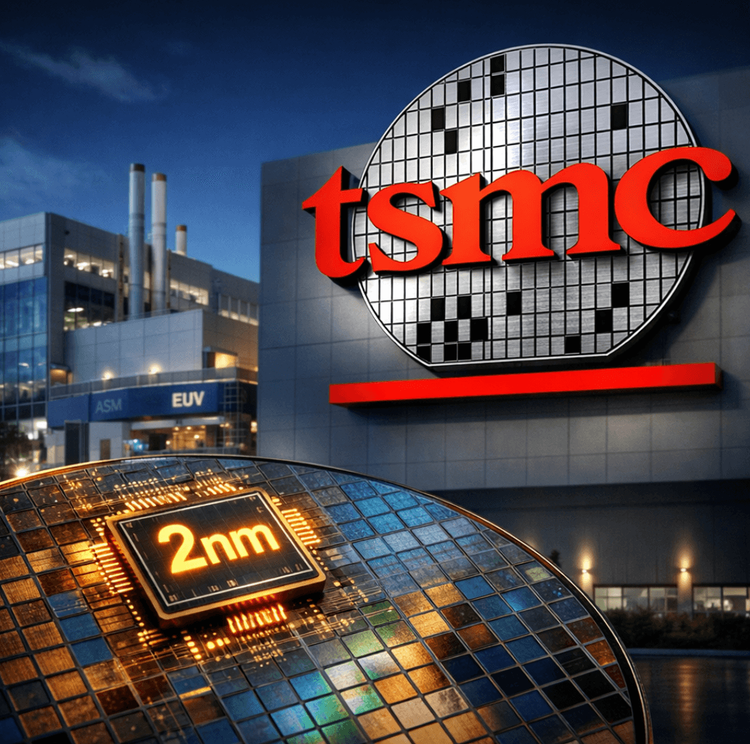
📈 TSMC has already allocated most of its 2nm (N2) capacity through 2026, even as pricing continues to move upward.
🔒 By late 2026, industry expectations suggest that 2nm revenue could surpass 3nm and 5nm combined, driven by real production programs rather than pilot volumes.
This signals a shift from “technology curiosity” to capacity-locked execution.
Why Old Assumptions No Longer Work
💡 The belief that “price will slow adoption” no longer applies in AI-driven markets.
For AI accelerators, performance per watt and cost per inference now outweigh wafer price alone.
✨ At the system level, 2nm still wins economically despite its premium.
🚗 This logic is now extending into smartphones, where flagship SoCs are expected to become the most expensive mobile processors ever, amplified by rising memory costs.
Implications for OEM / EMS / Procurement
🔒 Advanced nodes move risk away from headline pricing and toward execution reliability.
Yield stability, ramp discipline, and delivery consistency matter more than node labels.
📉 Samsung and Intel continue to close technology gaps, but mature-volume execution remains the decisive differentiator.
📈 For procurement teams, early capacity locking and cross-node planning are no longer optional — they are risk controls.
How Smart Teams Are Responding
✨ Leading teams are reframing the issue as an “advanced–mature synergy” problem.
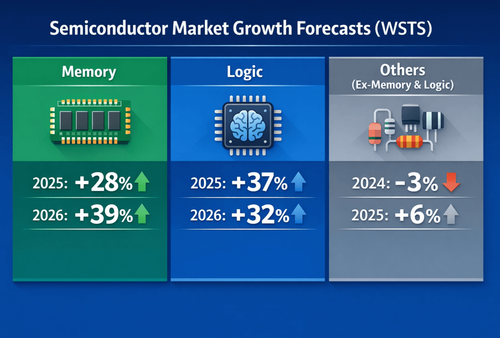
Even if a 2nm logic chip is secured, product success still depends on stable peripheral components — power devices, sensors, and visual indicators — shipping on time and at scale.
💡 In practice, mature-node discipline increasingly determines whether advanced silicon delivers real market impact.
Closing
🚀 As 2nm moves from roadmap to reality, winners will not be those chasing the smallest geometry,
but those who align advanced logic with a resilient, executable supply chain.
✨ Thoughtful planning, early commitments, and realistic timelines are becoming core operational capabilities.
#Semiconductors
#2nm
#SupplyChain
#AIChips
#AdvancedNodes