💡 Key Takeaways
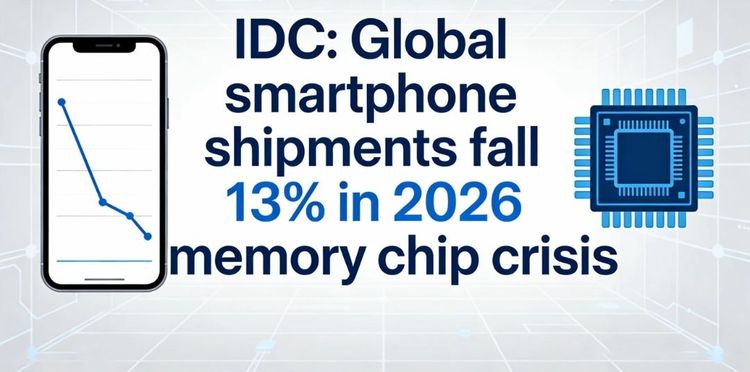
• IDC predicts 12.9%-13% decline in global smartphone shipments for 2026
• Memory chip shortage, fueled by AI data center demand, drains supply for consumer devices
• Emerging markets face steepest declines as entry-level smartphones become unaffordable
• Memory prices forecast to stabilize by mid-2027 but won't return to previous low levels
🎯 Opening
The global smartphone market stands at an inflection point as a structural reset begins. What IDC describes as more than a temporary dip, the 13% shipment decline forecast for 2026 represents a fundamental reshaping of the entire mobile ecosystem.
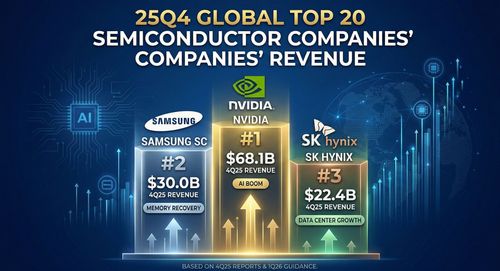
The driving force behind this unprecedented contraction? An artificial intelligence boom that has diverted memory production capacity away from consumer electronics.
📈 Market Reaction
The forecast signals a shift from volume-driven growth to margin-focused strategies. Major manufacturers face production constraints as memory chipset prices continue their dramatic ascent, with some DRAM and NAND products doubling or even quadrupling since last year.
Consumer electronics manufacturers cannot maintain entry-level price points below $500, effectively removing budget options from markets where these devices matter most.
📊 Data / Analysis
IDC's projection of 12.9% contraction represents the steepest decline in over a decade of smartphone market tracking. The analyst firm characterizes this as a structural reset rather than cyclical downturn.
Market data reveals a stark divergence: while AI data centers absorb memory capacity to train large language models, consumer electronics supply chains face allocation challenges. Memory prices, forecast to rise an additional 130% through end of 2026, create cost pressure across the entire BOM.
Emerging markets—where entry-level smartphones constitute higher demand—will experience shipment declines exceeding 13% as cost barriers prevent consumers from upgrading.
⚡ Industry Implications
For OEMs and procurement teams, this shortage necessitates strategic recalibration. Long-term allocation contracts become critical as spot market pricing proves unsustainable. The traditional model of securing memory on-demand faces disruption.
Supply chain professionals must navigate a landscape where memory availability no longer follows predictable patterns. The transition requires buffer inventory strategies, diversified supplier relationships, and potentially redesign consideration for lower-memory configurations.
The impact extends beyond smartphones to adjacent markets including tablets, laptops, and smart home devices—all competing for the same constrained memory supply.
📝 Closing
Procurement leaders should reach out to discuss resilience strategies for navigating the memory-constrained environment. The market reset presents challenges but also opportunities for strategic partnerships that secure reliable allocation in 2026 and beyond.