💡 Key Takeaways
• Post-2022 inventory destocking normalized MLCC industry levels, reducing downside risk in automotive and AI server demand
• AI application deployment triggers high-end MLCC demand surge, creating significant market differentiation from consumer-focused cycles
• Emerging sector-driven upswing demonstrates longer duration and sustainability compared to traditional consumer electronics patterns
🎯 Opening
MLCC industry entered cyclical upswing phase supported by automotive electronics, AI servers, and industrial control demands after completing 2022 inventory destocking. Current inventory levels provide resilience against significant downturn, while emerging sector growth drives sustainable expansion.
📊 Market Dynamics
MLCC market presents clear differentiation trends driven by distinct demand sources. TrendForce research indicates AI application deployment triggers high-end MLCC demand explosion. Traditional consumer electronics demand remains soft, creating pressure on mid-to-low-end MLCC manufacturers.
💹 Inventory Status
Industry inventory achieved reasonable levels through post-2022 destocking cycle. Current inventory positioning provides buffer against demand fluctuations while supporting cyclical expansion phases. Automotive and AI server sectors maintain healthy demand absorption, creating balanced market conditions.
⚡ Demand Drivers
Three primary sectors drive current MLCC market expansion:
• AI Server Infrastructure
AI application deployment directly stimulates high-performance MLCC requirements. Data center expansion, generative AI training clusters, and inference hardware create sustained demand for high-voltage, high-capacitance MLCC components.
• New Energy Vehicles
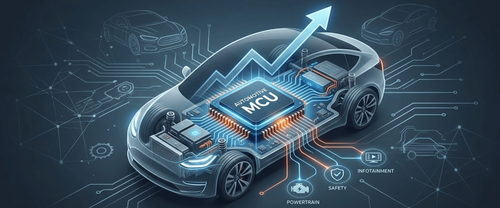
EV market penetration continues growing, increasing MLCC adoption in power management systems, onboard chargers, and battery management systems. Automotive electrification creates long-term demand base.
• Industrial Control and Automation
Industry 4.0 adoption, factory automation, and robotics applications drive steady MLCC demand. These sectors provide stable, high-reliability component requirements.
🔄 Supply Chain Pressure
Mid-to-low-end MLCC manufacturers face significant operational pressure:
• Offseason Effects: Traditional seasonal demand patterns reduce capacity utilization
• Raw Material Cost Increases: Ceramic dielectric and electrode material costs impact profitability
• Consumer Electronics Weakness: Traditional demand sources remain below expectation
Differentiation creates two-tier market structure where manufacturers serving emerging sectors maintain profitability, while traditional consumer-focused suppliers struggle.
🔍 Structural Market Shift
Current upswing differs fundamentally from traditional cycles:
• Demand Sources: AI servers, NEVs, and industrial control replace consumer electronics as primary drivers
• Domestic Penetration: Chinese manufacturers achieve sustained presence in high-end MLCC categories
• Product Mix: High-voltage, high-reliability components take larger share of production
• Duration: Emerging sector characteristics support longer upswing with greater sustainability
This structural transformation reduces reliance on consumer electronics volatility while creating growth opportunities in technology-intensive applications.
⚙️ Strategic Implications
OEM and EMS procurement strategies must adapt to new market dynamics:
• Supply Diversification: Multi-source sourcing reduces dependency on traditional consumer-focused suppliers
• Long-term Contracting: Locking in allocation with emerging sector suppliers ensures supply security
• Quality Tiering: High-reliability MLCC components for AI and automotive applications require strict qualification processes
• Inventory Management: Just-in-time inventory strategies reduce exposure while maintaining sufficient buffer for emerging sector growth
🚀 Responsive Strategies
Leading teams implement resilience measures:
• Demand Forecasting: AI server deployment and EV production schedules inform procurement planning
• Supplier Portfolio Management: Diversified supplier base across traditional and emerging categories
• Contract Flexibility: Tiered agreements with emerging sector suppliers provide allocation security
• Technology Monitoring: Close tracking of emerging application requirements ensures product readiness
✨ Conclusion
MLCC industry upswing demonstrates longer duration and greater sustainability compared to traditional cycles. Structural shift toward AI servers, new energy vehicles, and industrial control demand reduces vulnerability to consumer electronics volatility. Domestic manufacturers' penetration in high-end MLCC categories positions industry for sustained growth through emerging sector applications. Current inventory normalization and sector-driven demand create favorable conditions for continued market expansion.