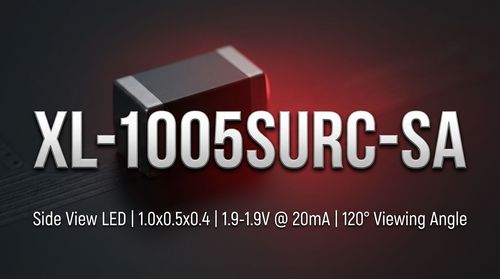
XL-1005SURC-SA SMD LED — Technical Specifications & Design Guide
The XL-1005SURC-SA from XINGLIGHT is a LED designed for indicator and backlight applications. This technical guide helps design engineers and procurement teams evaluate the comp...
Practical insights on components & sourcing
The XL-1005SURC-SA from XINGLIGHT is a LED designed for indicator and backlight applications. This technical guide helps design engineers and procurement teams evaluate the comp...
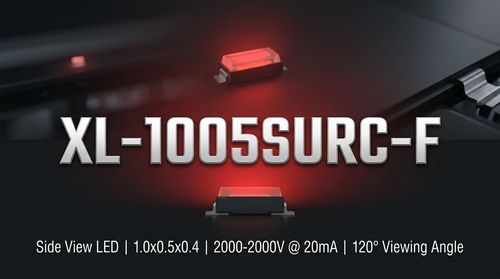
The XL-1005SURC-F from XINGLIGHT is a LED designed for indicator and backlight applications. This technical guide helps design engineers and procurement teams evaluate the compo...
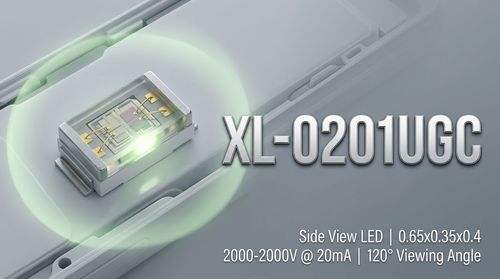
The XL-0201UGC from XINGLIGHT is a LED designed for indicator and backlight applications. This technical guide helps design engineers and procurement teams evaluate the componen...

The smartwatch market is dominated by a centralized supply chain ecosystem in Shenzhen, where design, components, and assembly converge. This consolidation reshapes competition...
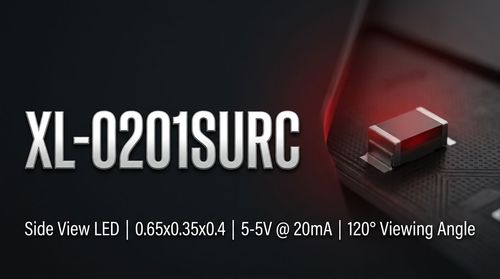
The XL-0201SURC is a miniature 0.65x0.35x0.4mm SMD LED with high-brightness red output (120-240 mcd). Designed for compact electronics, it supports automated SMT assembly and re...
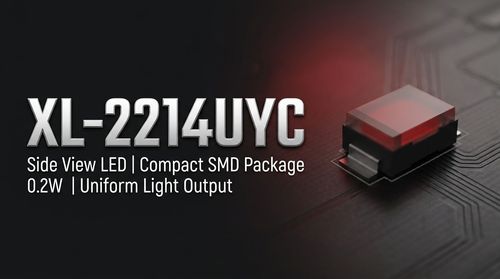
The XL-2214UYC is a high-reliability LED from XINGLIGHT, engineered for automotive interior and exterior lighting. This article provides a detailed analysis of its AEC-Q102 qual...
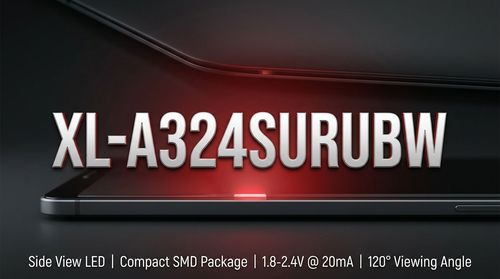
The XL-A324SURUBW is a high-brightness, dual-color (red/blue) LED with a frosted epoxy lens, designed for backlight modules, automotive interiors, and general lighting. This art...
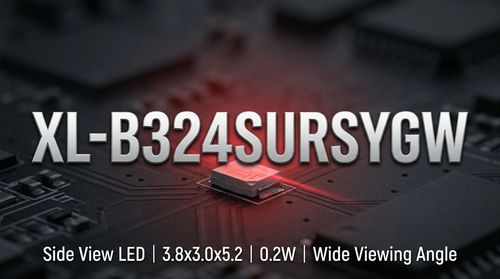
The XL-B324SURSYGW is a compact F3 3.8mm dual-color (Red/Yellow-Green) LED designed for backlight modules, automotive interiors, and signal indication. This article provides a d...
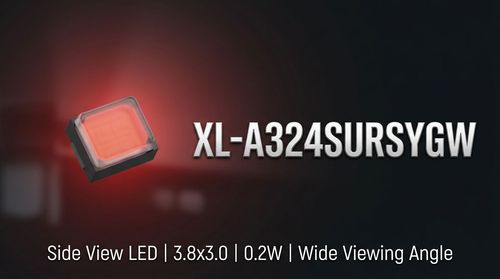
The XL-A324SURSYGW from XINGLIGHT is a LED designed for indicator and backlight applications. This technical guide helps design engineers and procurement teams evaluate the comp...
The XL-A324SURSYGC is a compact F3-packaged dual-color (Red/Yellow-Green) LED designed for backlight, automotive, and signal applications. This datasheet analysis covers brightn...
The XL-B324SURUGW is a high-brightness, dual-color (red/green) LED in a compact F3 package, designed for backlighting, automotive interiors, and signal indication. This article...

Google's TurboQuant AI memory compression claims sparked market volatility, but academic disputes raise concerns. Procurement teams must evaluate technical validity before adjus...
The XL-302UYC is a high-reliability yellow LED from XINGLIGHT, offering 400mcd luminous intensity at 2.2V and a 30° viewing angle. Engineered for demanding environments, it supp...
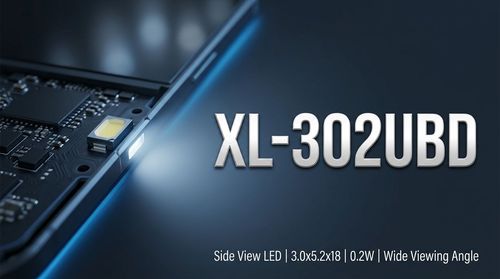
The XL-302UBD from XINGLIGHT is a LED designed for indicator and backlight applications. This technical guide helps design engineers and procurement teams evaluate the component...
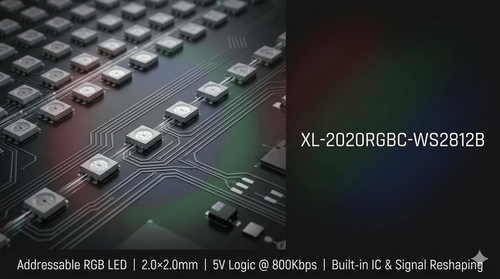
Datasheets highlight nominal specs, but WS2812B reliability depends on timing margins, cascade integrity, and SMT process control in high-density RGB lighting applications.
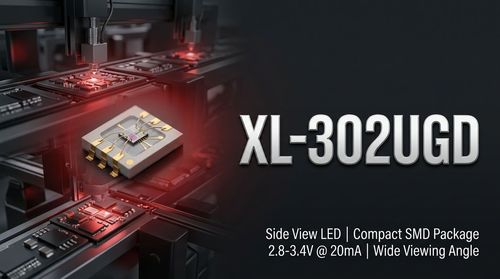
The XL-302UGD is a 3mm through-hole LED emitting a bright green light with a peak wavelength of 525nm. Designed for applications requiring high visibility and reliability, this...
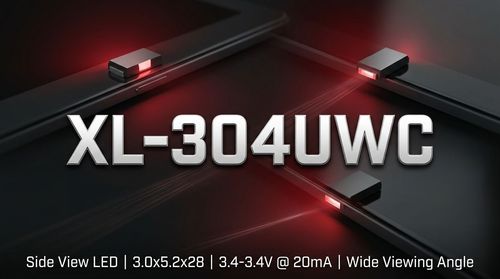
The XL-304UWC is a high-intensity white LED with a 3.0mm lens and 28mm leads, designed for home appliances, automotive, and urban lighting. This article provides critical specs,...
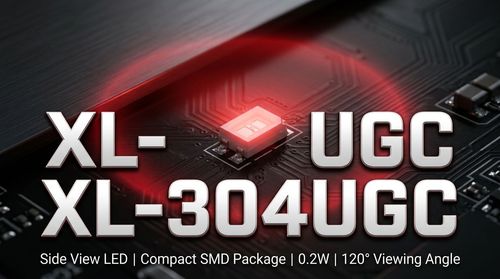
The XL-304UGC is a high-intensity green LED indicator, designed for applications demanding reliable visual feedback. This article provides a detailed technical overview of its s...
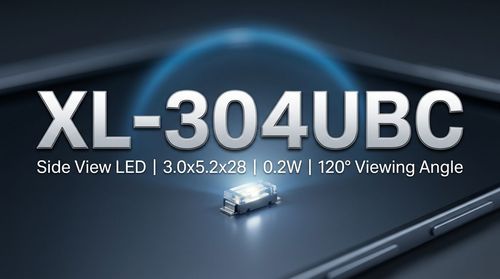
The XL-304UBC from XINGLIGHT is a LED designed for indicator and backlight applications. This technical guide helps design engineers and procurement teams evaluate the component...
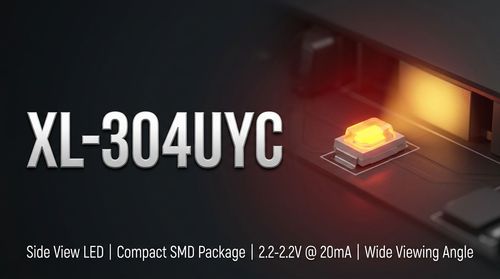
The XL-304UYC is an F3 through-hole LED from XINGLIGHT, offering a 585-595nm yellow-white light output with a 2.2V forward voltage at 20mA. This datasheet provides a comprehensi...
LED technology insights, memory sourcing analysis, IC alternatives, verified China sourcing