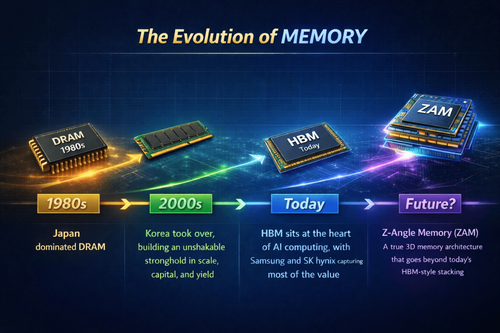
Memory Architecture Evolution: From DRAM Scale to HBM and Z-Angle Memory
The memory industry is shifting from scale-driven DRAM and HBM to architecture-led innovation. Z-Angle Memory signals a structural inflection in AI-era memory design.
Practical insights on components & sourcing
The memory industry is shifting from scale-driven DRAM and HBM to architecture-led innovation. Z-Angle Memory signals a structural inflection in AI-era memory design.

Cost is no longer the main barrier in global sourcing. Misaligned communication expectations between OEMs and suppliers now drive delays, risk, and lost momentum.
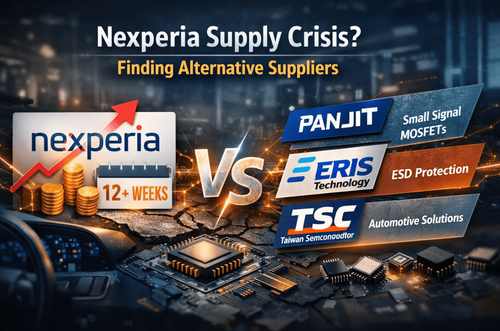
Automotive-grade Nexperia parts face long lead times and price volatility. OEMs and EMS teams are actively qualifying Taiwan-based alternatives to mitigate supply risk.
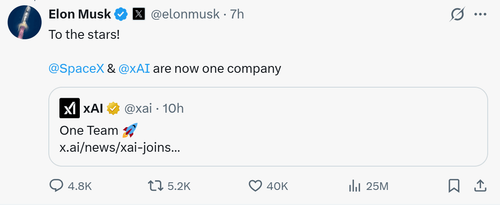
SpaceX’s reported $250B xAI acquisition highlights a shift where AI moves from support tool to core infrastructure for autonomous space systems.
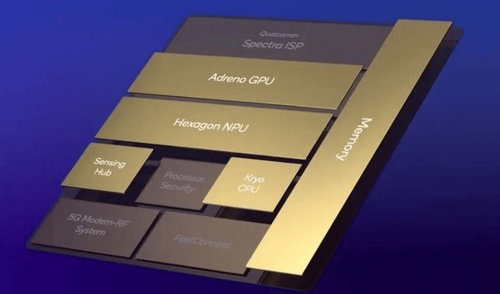
CPUs, GPUs, NPUs and DPUs now coexist in the same system. This guide explains what each processor does, why roles are shifting, and how OEMs should allocate workloads.
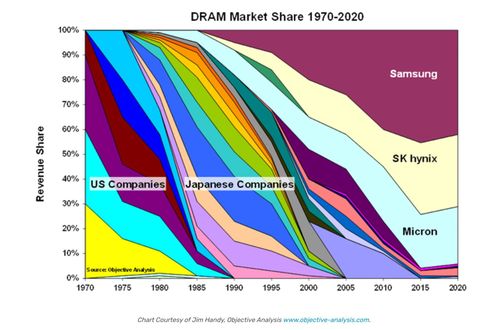
The DRAM industry collapsed from dozens of players to three survivors. Capital intensity, technology cycles, and price volatility explain why memory inevitably consolidates.

Clawdbot’s rise highlights a shift from conversational AI to autonomous execution. This change exposes why traditional sourcing workflows no longer scale.

Gartner data shows 2025 semiconductor revenue reaching $793B, with AI chips driving one-third of demand and reshaping supplier concentration and sourcing strategy.

A 2025–2026 railway signaling case shows how AI-driven component demand triggered supply chain ripple effects, exposing the limits of zero-inventory models.
An objective introduction to XINGLIGHT, a China-based LED manufacturer covering company background, manufacturing capabilities, product categories, certifications, and applicati...
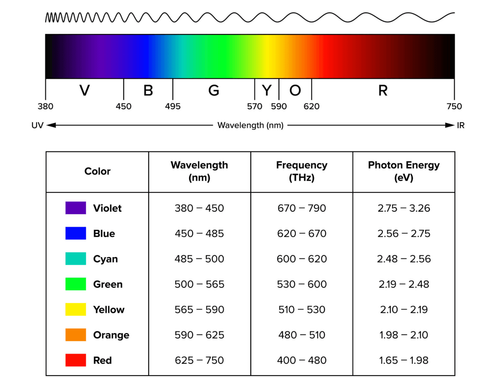
Customizable LED spectra enable precise control over wavelength, brightness, and color consistency, supporting reliable performance across consumer, automotive, and industrial a...
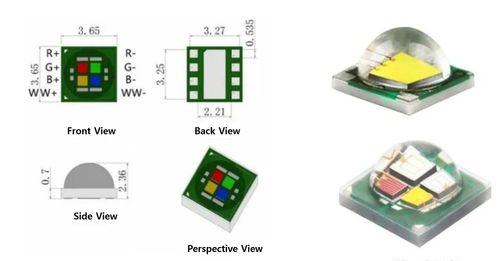
Ceramic LED packaging enables extreme power density, superior thermal management, and long-term stability, making it a viable replacement for metal halide lamps in industrial li...
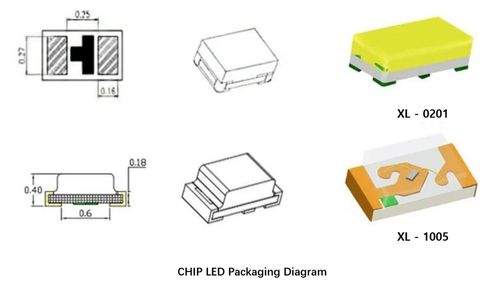
Chip LED packaging combines compact SMT form factors with high brightness and low power consumption, enabling reliable, space-efficient lighting designs across industrial and co...
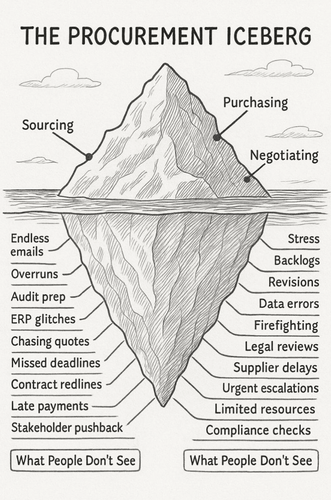
Procurement teams focus less on LED unit price and more on bin consistency, traceability, and process control to reduce mass production risk and long-term supply surprises.
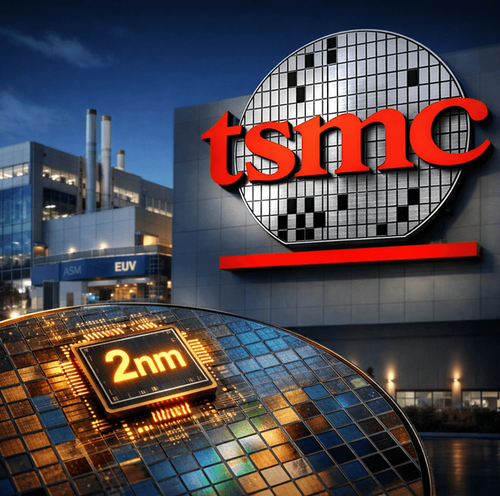
Despite extreme costs, 2nm capacity is filling fast. This article explains why OEMs keep lining up, and what it means for procurement and supply chain planning.
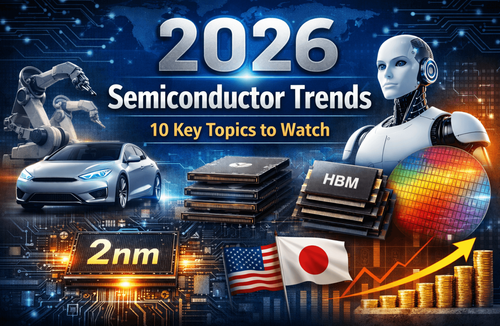
A pragmatic outlook on ten semiconductor trends to watch in 2026, covering AI-driven demand, advanced nodes, memory cycles, geopolitics, and structural risks.
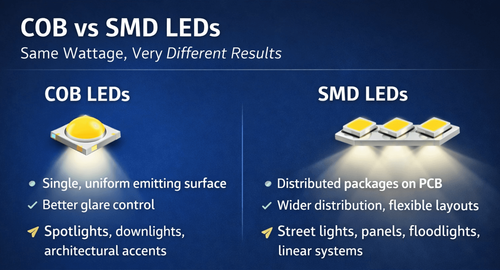
COB and SMD LEDs can share the same wattage yet deliver very different optical behavior. Understanding distribution, glare, and intent matters more than power.
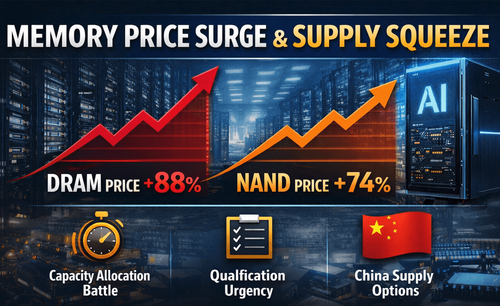
Memory Pricing Power Is Back and 2026 Will Test Your Sourcing Playbook. The memory market is sending a loud signal: pricing power has moved upstream again. 📊Recent sell-side co...
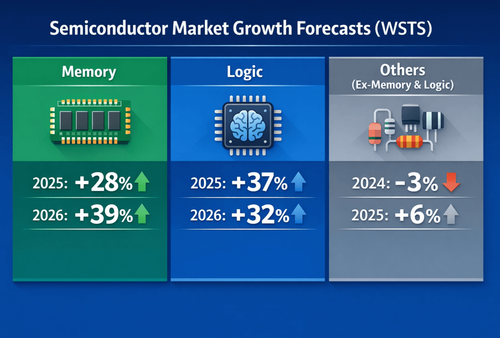
AI Is Powering the Semiconductor Boom. But for How Long? The global semiconductor market is riding a strong AI-driven upcycle. According to World Semiconductor Trade Statistics...
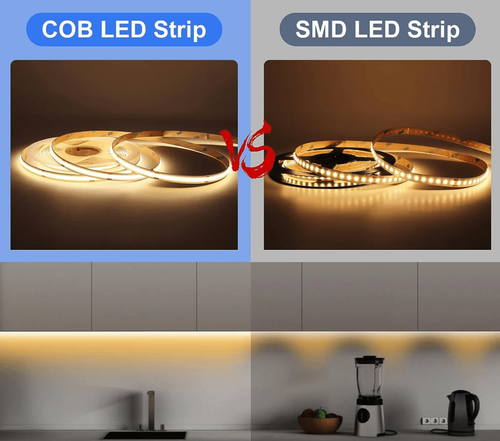
COB LEDs look simple. But they quietly changed how luminaires are built. Instead of assembling dozens of discrete LEDs first, COB mounts multiple chips directly onto the MCPCB....
LED technology insights, memory sourcing analysis, IC alternatives, verified China sourcing